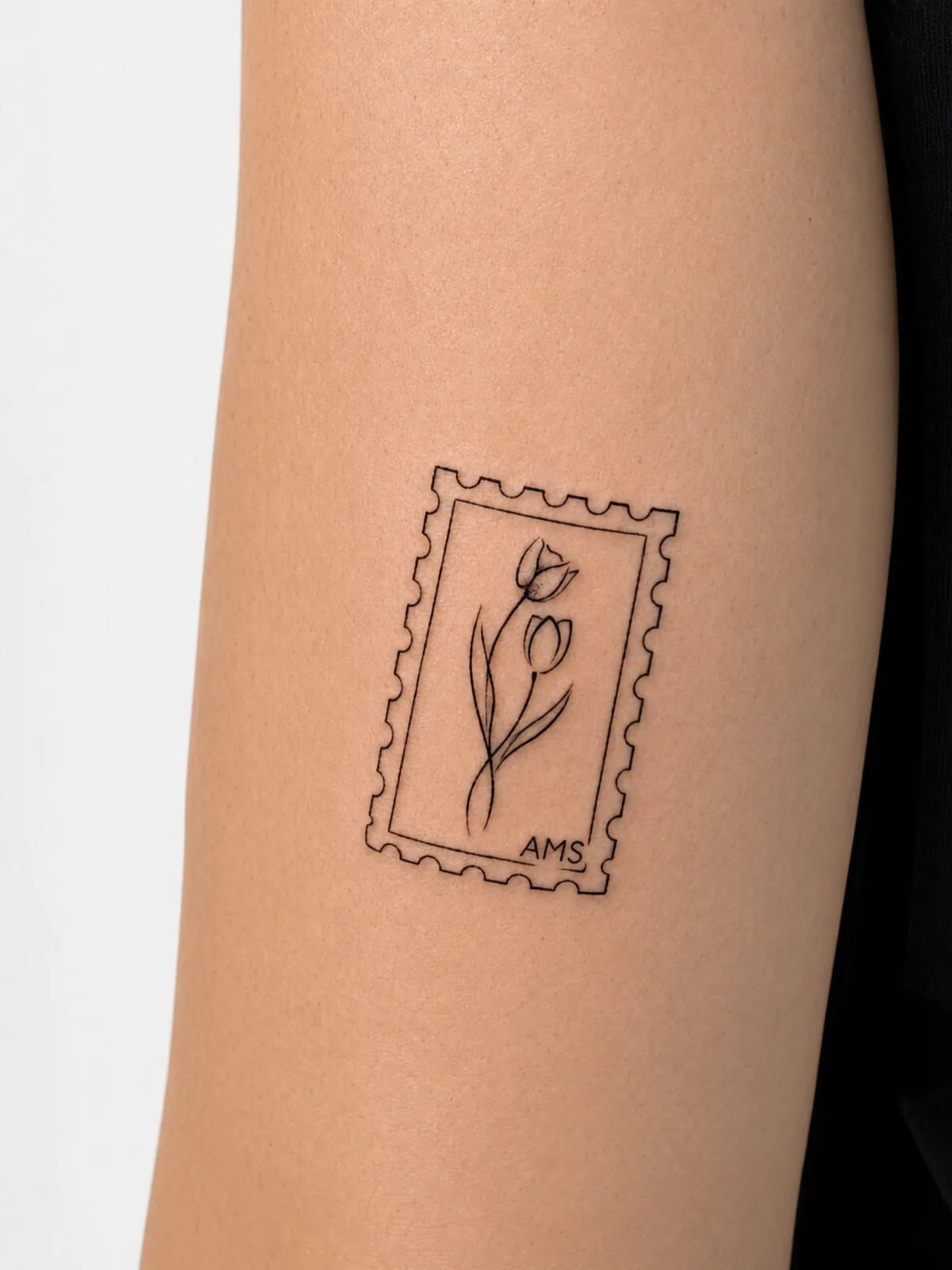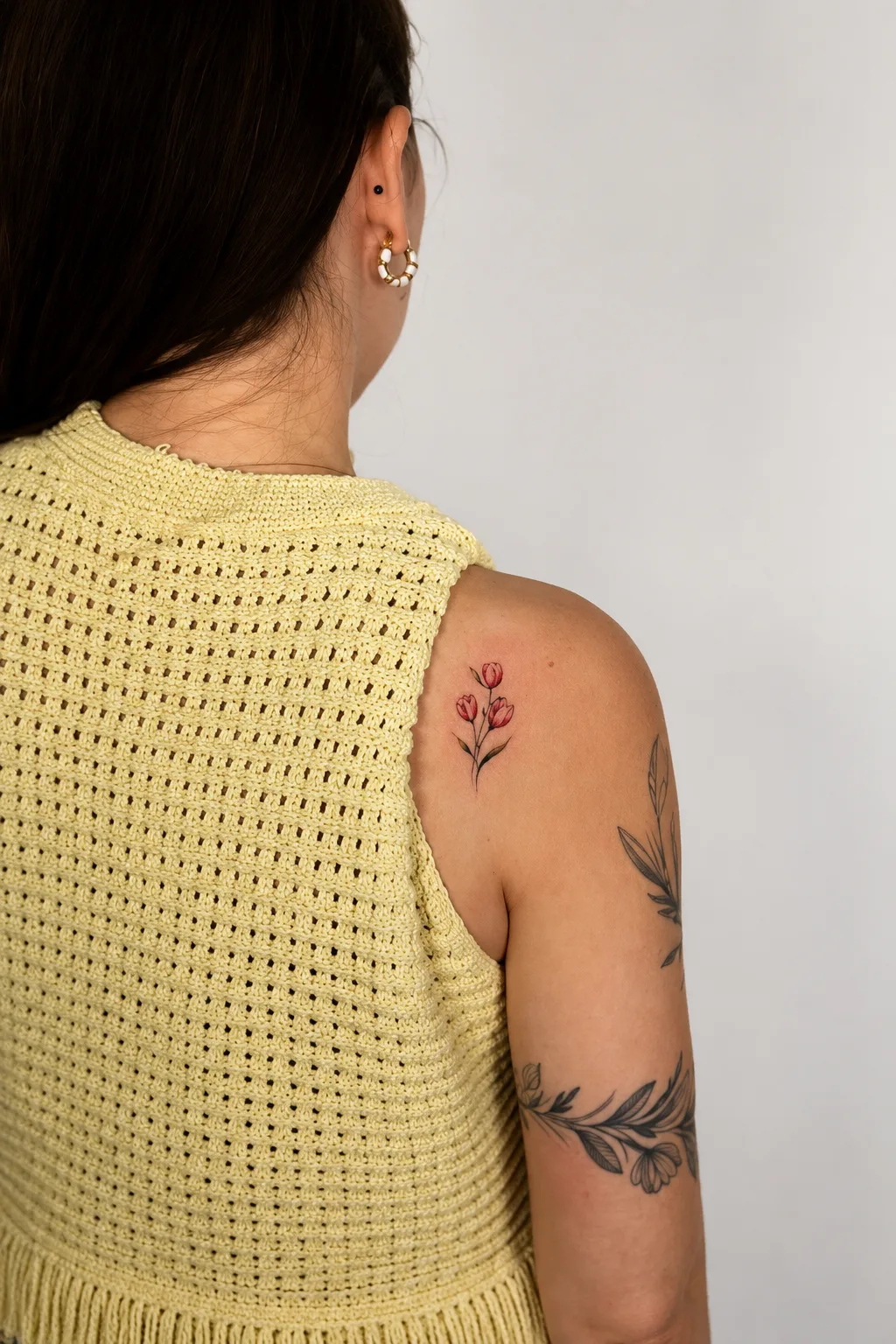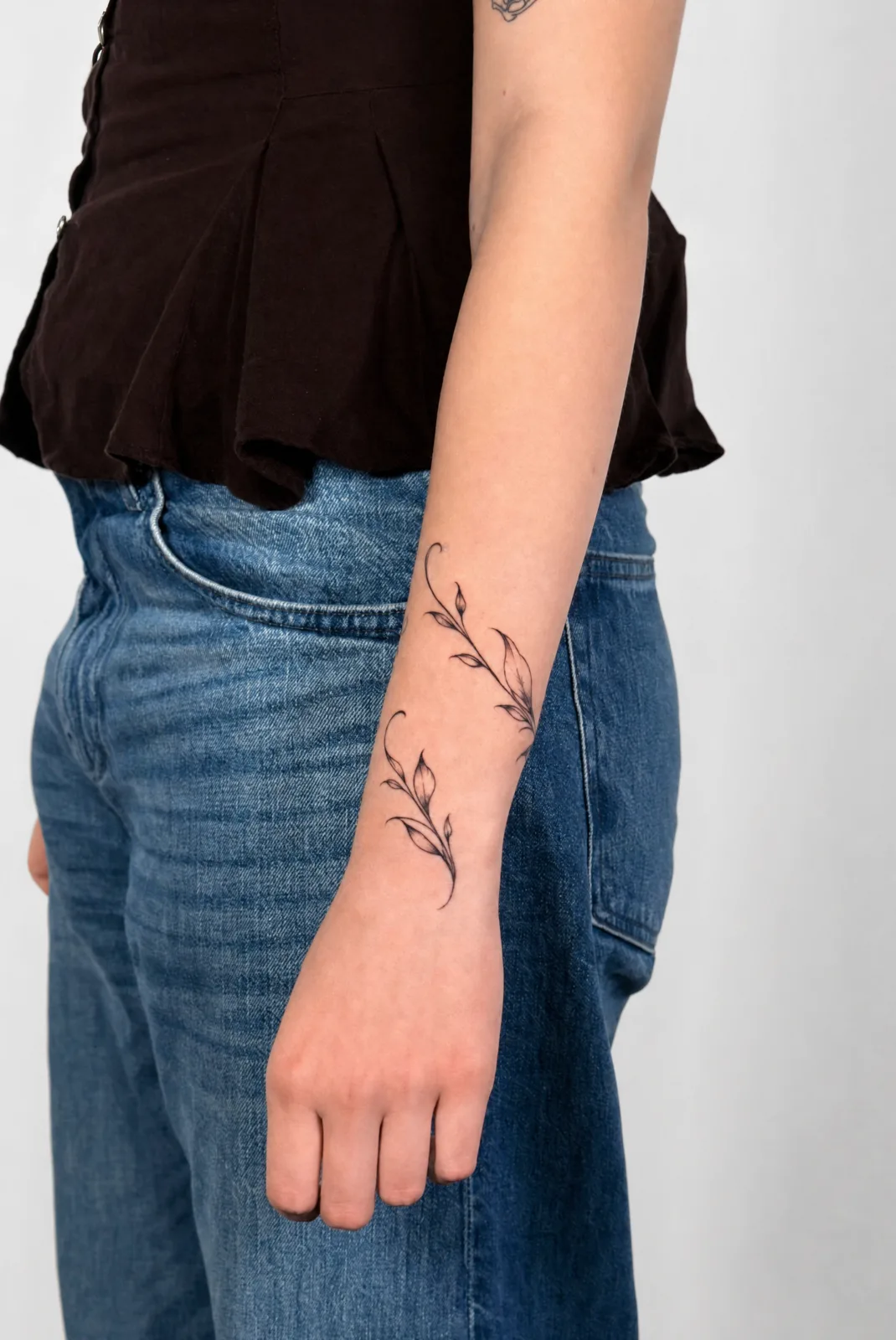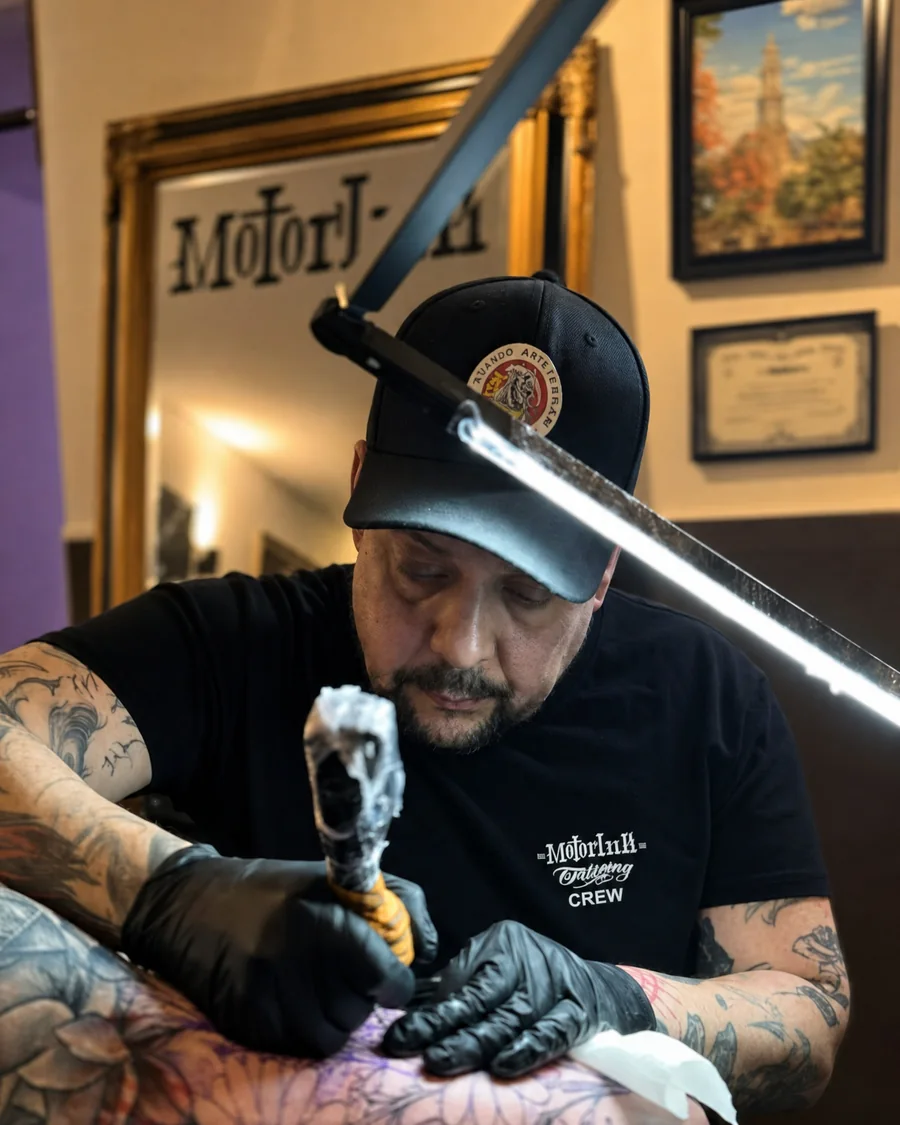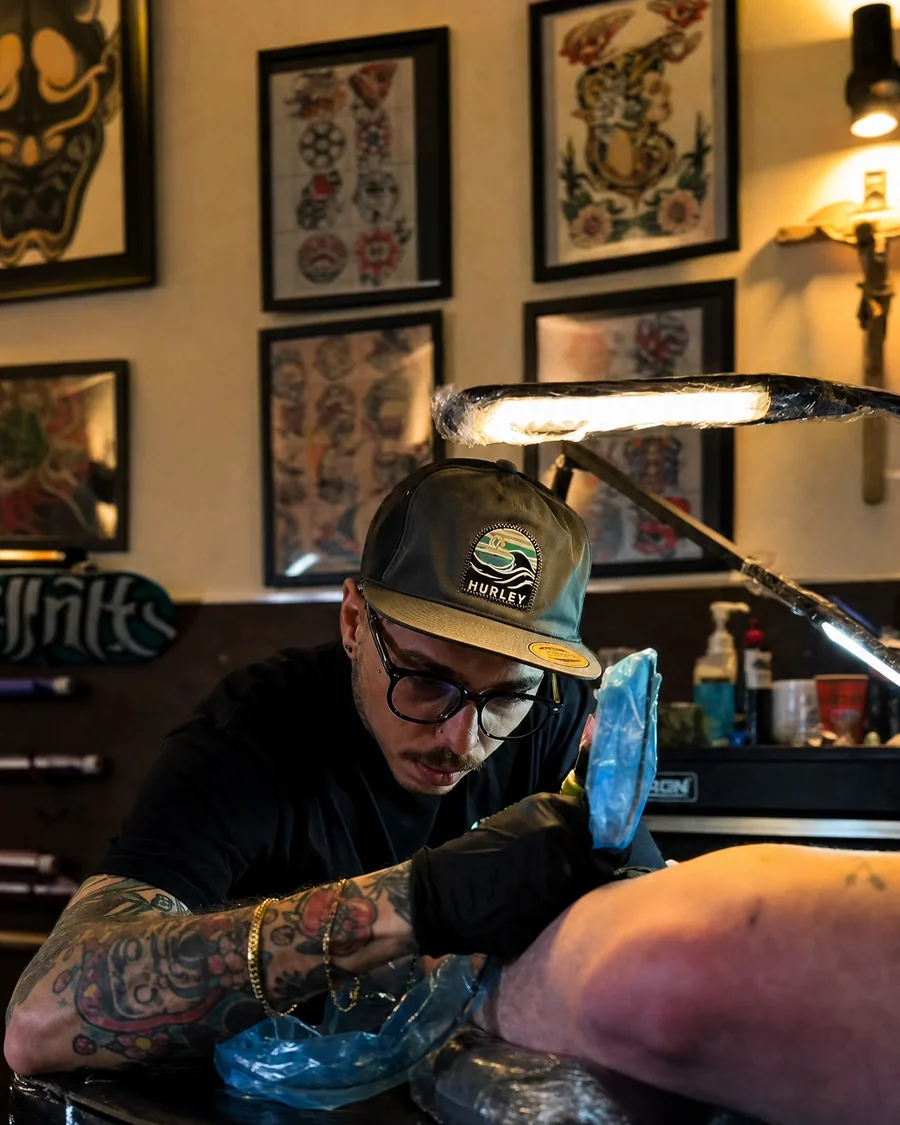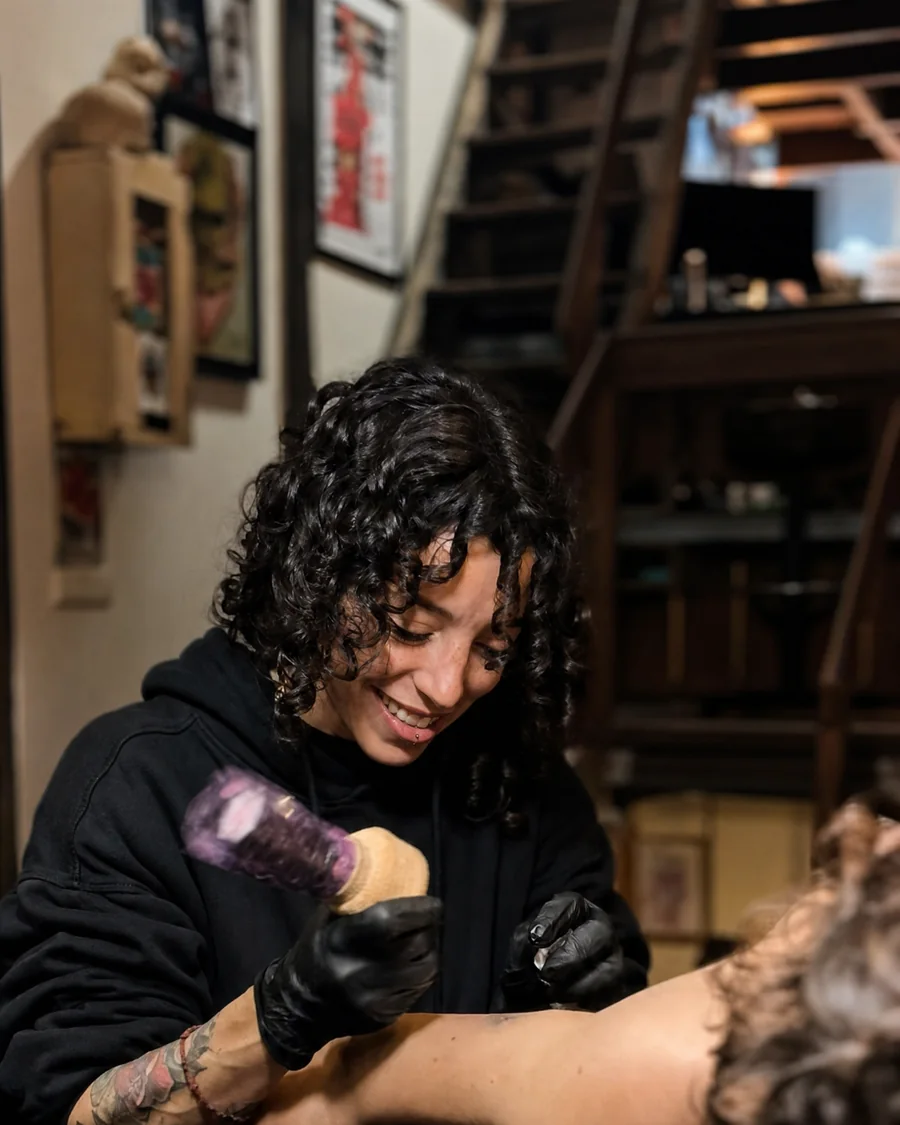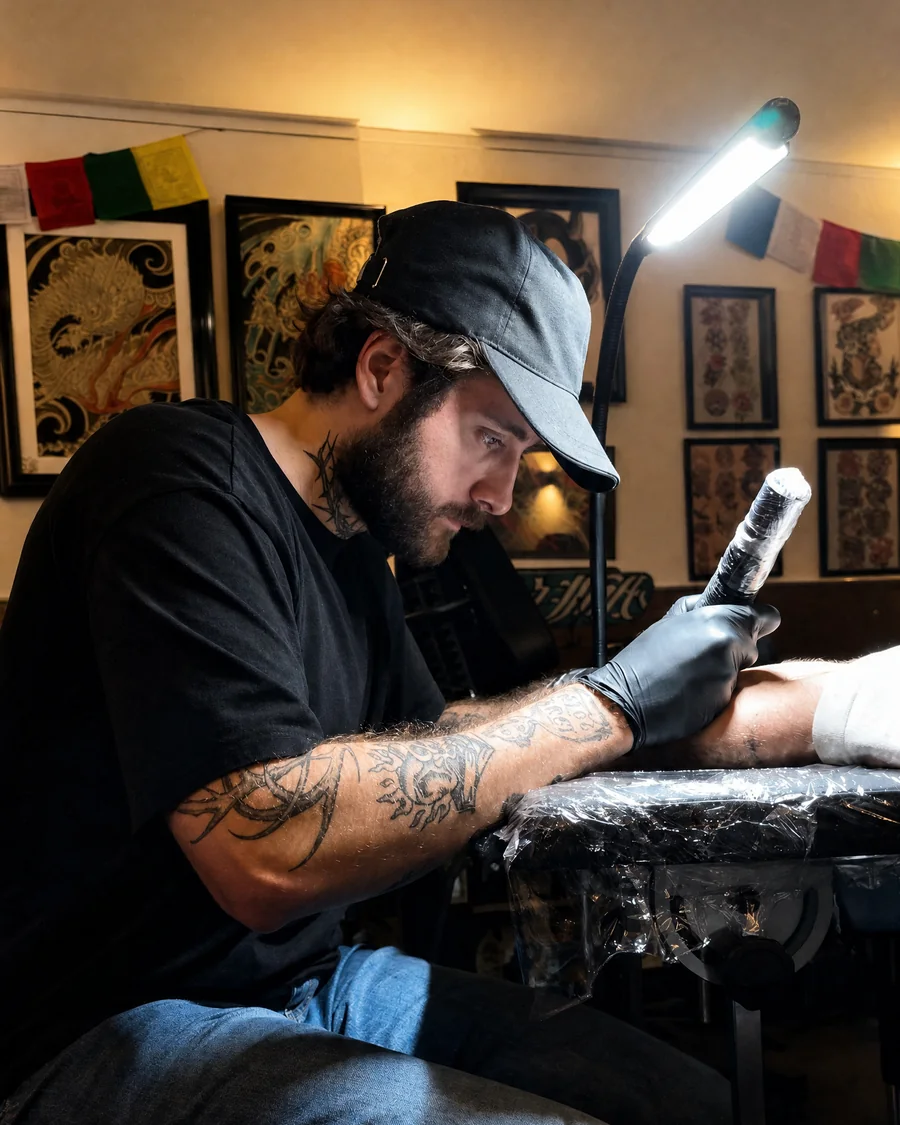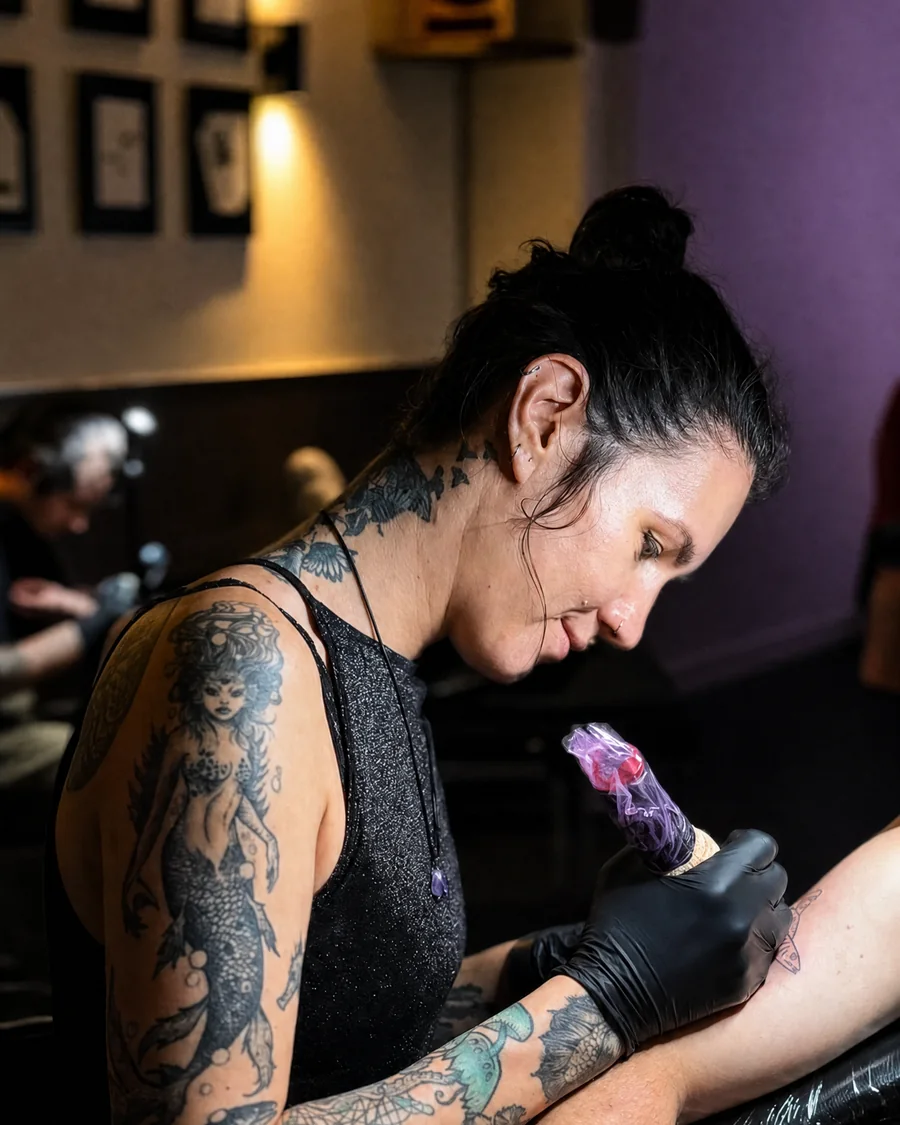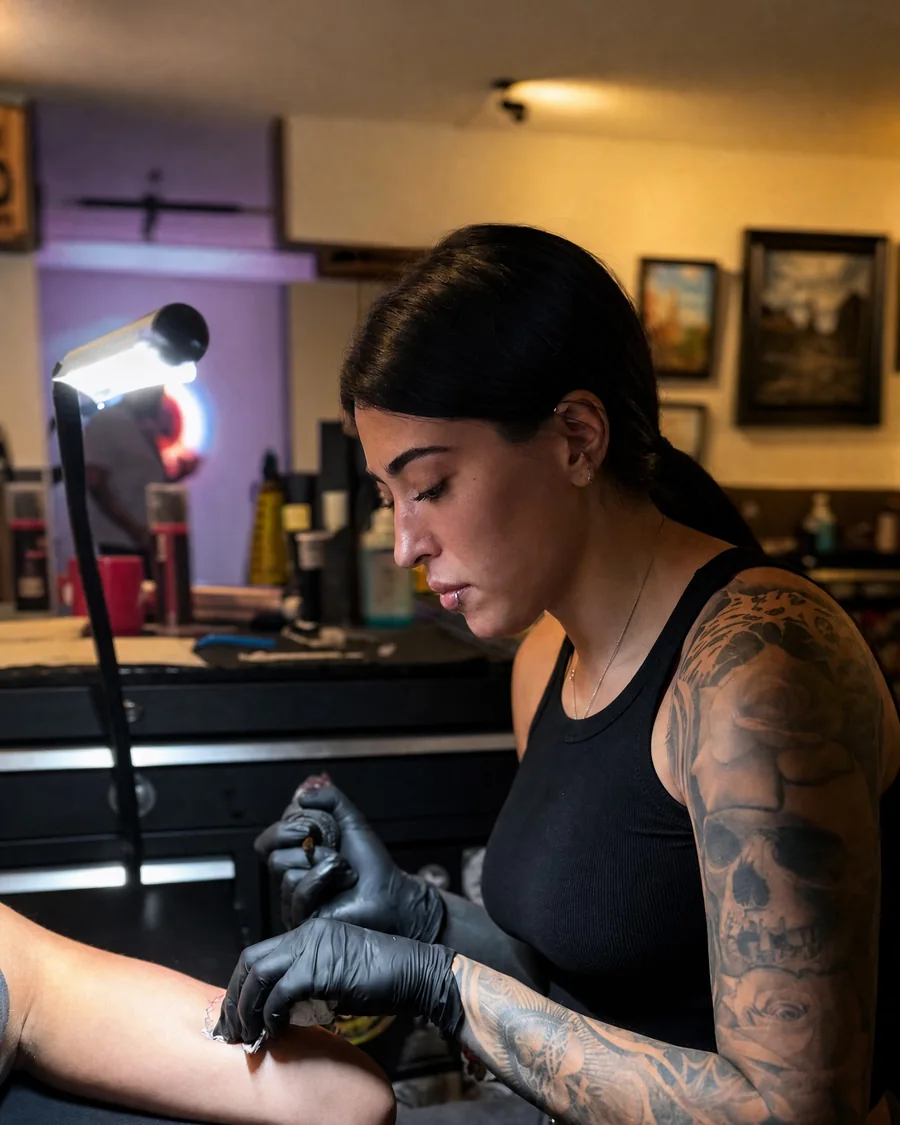
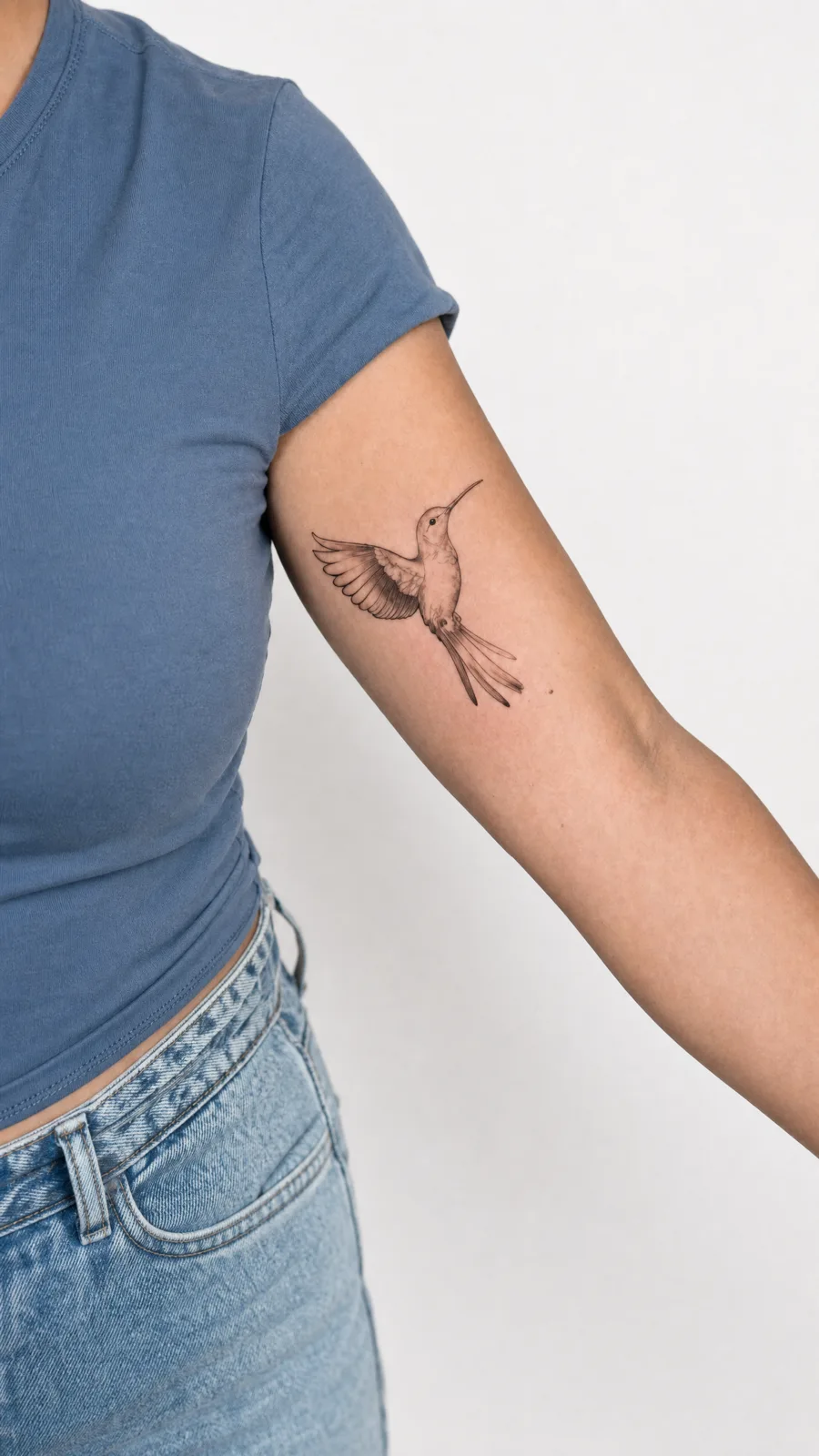
Fine line is not one single tattoo style. It is a technique built on control, spacing and understanding how delicate work behaves in the skin. At Motorink, all resident artists work with fine-line tattooing through their own artistic specialties.
How we approach fine line work
Thin lines carry less ink than bold linework, so spacing, needle choice and hand speed decide whether a design still reads clearly in five or ten years. We plan line weight around the placement, not the other way around.
Very small lettering, dense detail and tight spacing are the most common reasons a fine line tattoo blurs over time. During your consultation we say honestly when a design needs to be slightly larger or simplified to hold up.
- Placement advice based on skin movement and sun exposure
- Line weight matched to the size of the piece
- Honest guidance on what will still read years from now
Fit, placement and longevity
Forearms, calves and upper arms hold delicate work well. Fingers, hands, feet and ribs are higher-friction areas where fine detail fades faster; we will tell you before you book, not after.
Aftercare matters more for fine line than for bold work. Keep the healing tattoo clean, avoid sun on fresh skin and follow the aftercare plan we give you.